
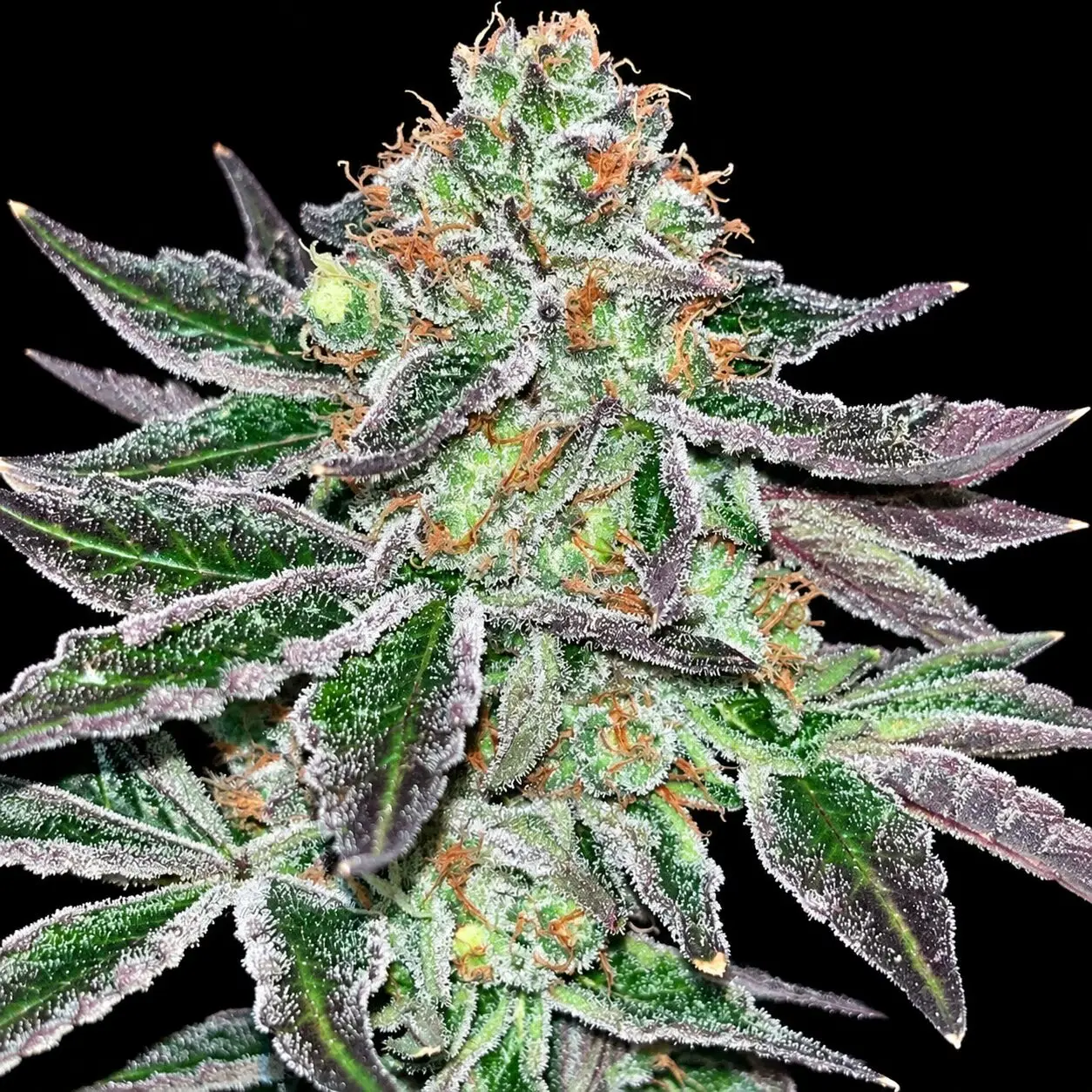

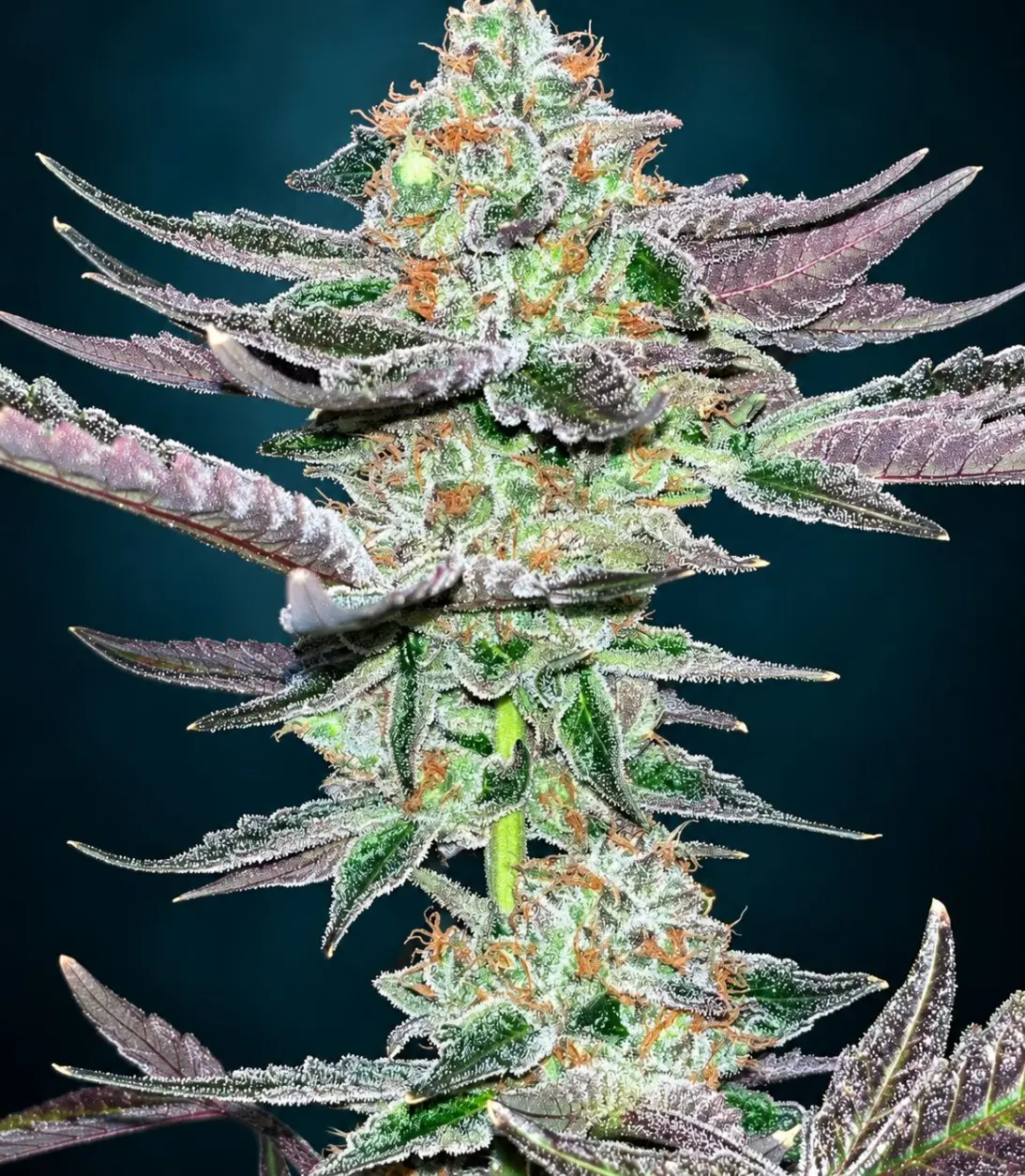
RS11 Kosher is one of the six limited feminized crosses in the Kosher Kush Hybrids LTD series from Old School Genetics. Every release in this line uses the same backbone: OSG’s held cut of the original DNA Genetics Kosher Kush selection, reversed by breeder Oldman Green and crossed onto a carefully chosen modern elite clone. Here, that partner is RS11.
RS11 is Rainbow Sherbet #11, a selection bred by DEO Farms and picked out by Wizard Trees. It has become one of the most talked-about dessert-style clones of recent years. Setting it against an old-school Los Angeles Kush is a classic recipe: the newer parent brings color and candy appeal, while Kosher Kush brings weight, density and that unmistakable OG-family backbone.
On paper, this is an Indica-dominant hybrid at 70% Indica / 30% Sativa that finishes in 8.5-10 weeks of flowering. Old School Genetics rates indoor production at around 500 g/m² (1.64 oz/ft²), a solid, realistic figure for a dense-budded Kush hybrid grown under good lighting.
RS11 Kosher is a fresh release in the series, so the best guide to its character is its parentage and the Kosher line as a whole.
Flavor, Effects, and What the Parents Bring
Since the breeder has not published a terpene profile for this specific cross, the most reliable guide is its lineage. The Rainbow Sherbet family is generally associated with sweet, fruity, sherbet-style aromas, while Kosher Kush is known for an earthy, Kush-forward, gassy profile. Phenotypes in a fresh cross like this one can lean either way, or land somewhere in between.
That makes RS11 Kosher an interesting pack for growers who like to compare plants side by side. One keeper might lean into the fruity side of RS11, another might show the heavier, darker character of the Kosher Kush mother. Running all six seeds and taking notes during cure is the honest way to find out which expression you prefer.
In terms of experience, the 70/30 Indica ratio and Kush heritage suggest an Indica-leaning, body-forward hybrid rather than a racy Sativa. Treat that as an expectation based on lineage, not a guarantee: the breeder has not released an official effect description, and individual phenotypes may differ.
For cultivation, the Kush side generally points toward a manageable plant with dense flowers. Keep humidity in check during late bloom, give the canopy good airflow, and plan for a harvest window somewhere between week 8.5 and week 10 depending on the phenotype and your preferred trichome maturity.
RS11 Kosher Characteristics
| Strain type | Feminized |
| Genetics | RS11 (Rainbow Sherbet #11) x Kosher Kush |
| Indica/Sativa | 70% Indica / 30% Sativa |
| Effect | Indica-leaning hybrid typical of its Kush lineage (no official breeder description) |
| Flavor | Not officially published; parents suggest sweet sherbet fruit and earthy Kush |
| Indoor yield | 500 g/m² (1.64 oz/ft²) |
| Flowering time | 8.5-10 weeks indoors |
| Best cultivation technique | Topping or LST with good airflow for dense Kush-type flowers |
FAQ
What is the genetic background of RS11 Kosher?
RS11 Kosher crosses RS11, the Rainbow Sherbet #11 cut bred by DEO Farms and selected by Wizard Trees, with Old School Genetics’ held cut of the original DNA Genetics Kosher Kush selection. It belongs to the Kosher Kush Hybrids LTD series.
Is RS11 Kosher Indica or Sativa?
It is an Indica-dominant hybrid with a ratio of 70% Indica / 30% Sativa, leaning toward the Kush side of its family tree.
How long does RS11 Kosher take to flower?
The breeder lists a flowering time of 8.5-10 weeks indoors. The exact finish depends on the phenotype and how mature you like the trichomes.
What yield can I expect from RS11 Kosher?
Old School Genetics rates indoor production at around 500 g/m² (1.64 oz/ft²) under well-dialed conditions.
What does RS11 Kosher smell like?
The breeder has not published an official aroma profile. Based on the parents, expect a mix of sweet, fruity sherbet notes from RS11 and earthy, gassy Kush from Kosher Kush, with variation between phenotypes.
How many seeds come in a pack?
Each pack contains 6 feminized seeds, so every plant should develop as a flowering female under normal growing conditions.



Reviews
There are no reviews yet.