
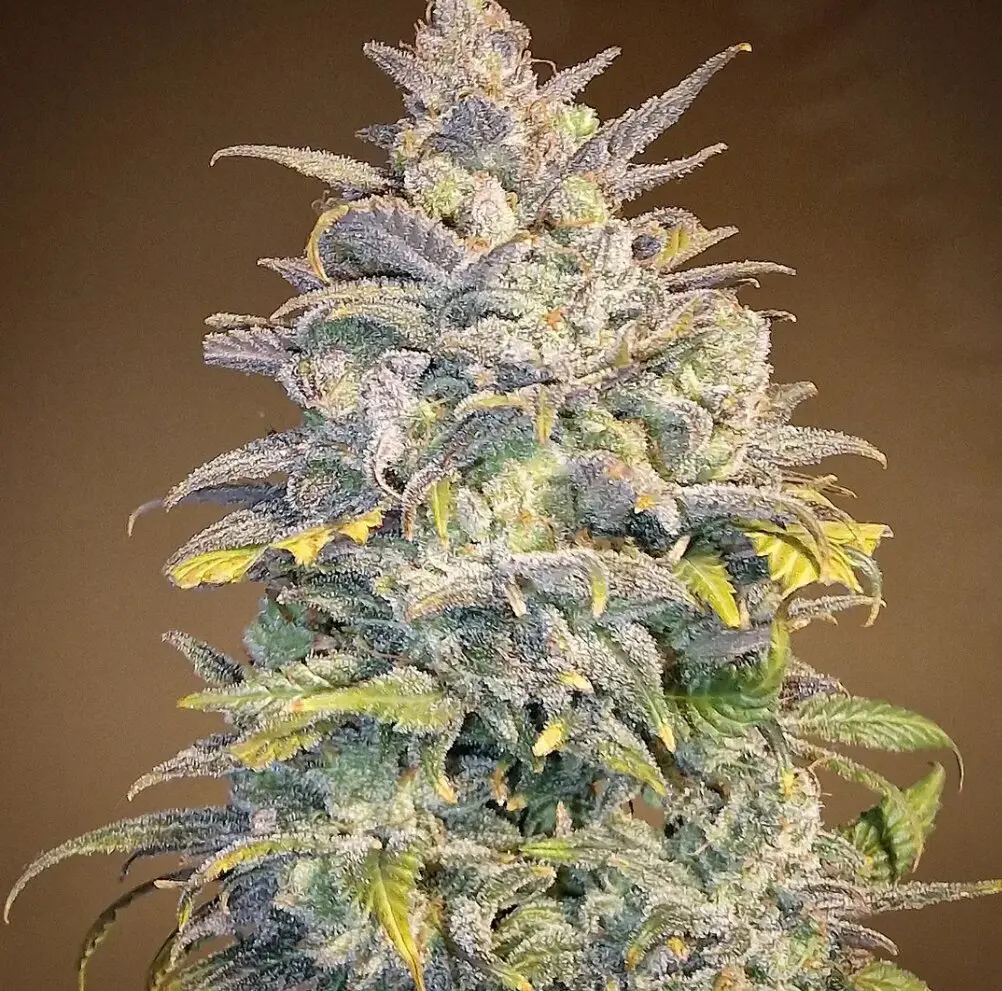
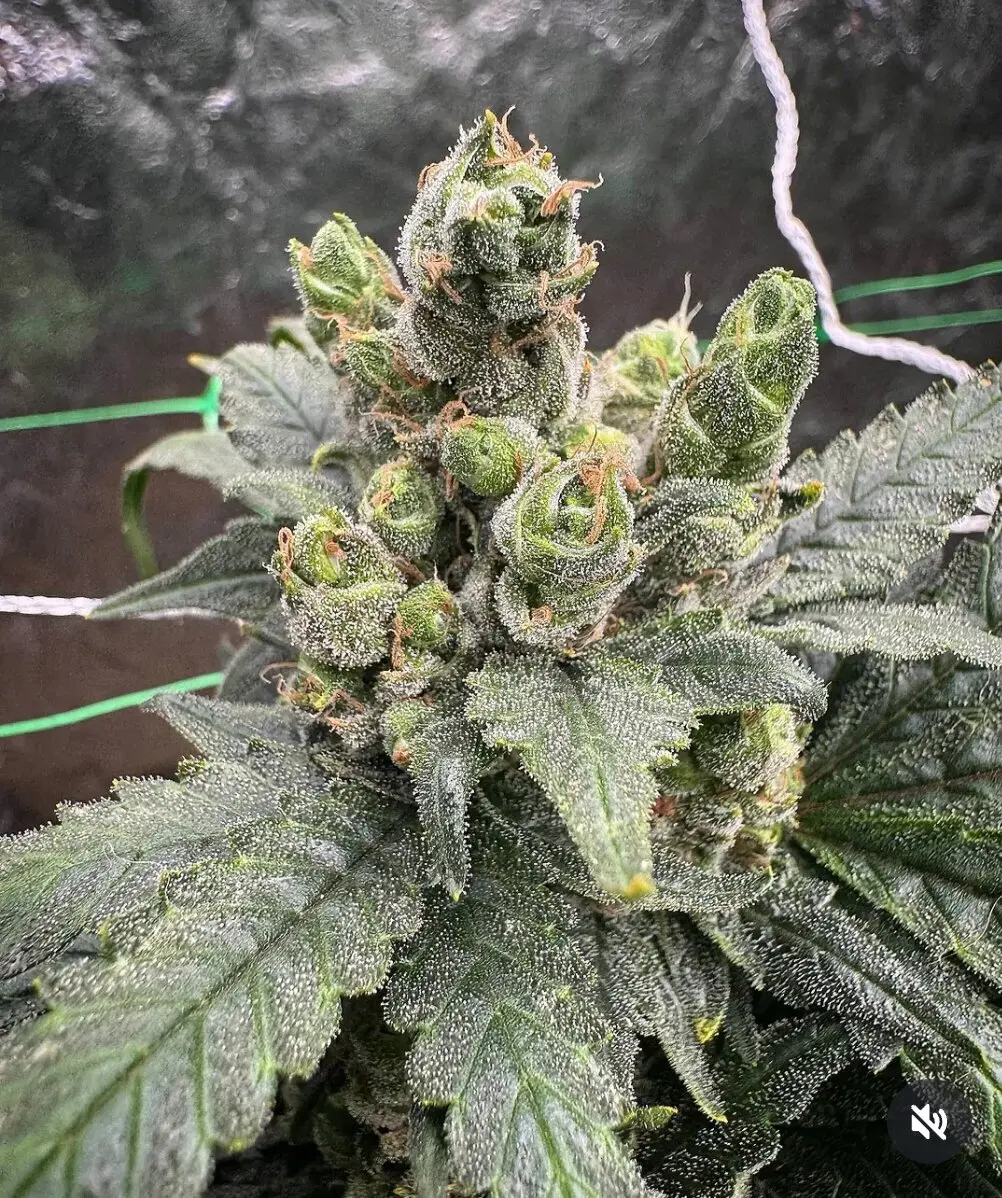
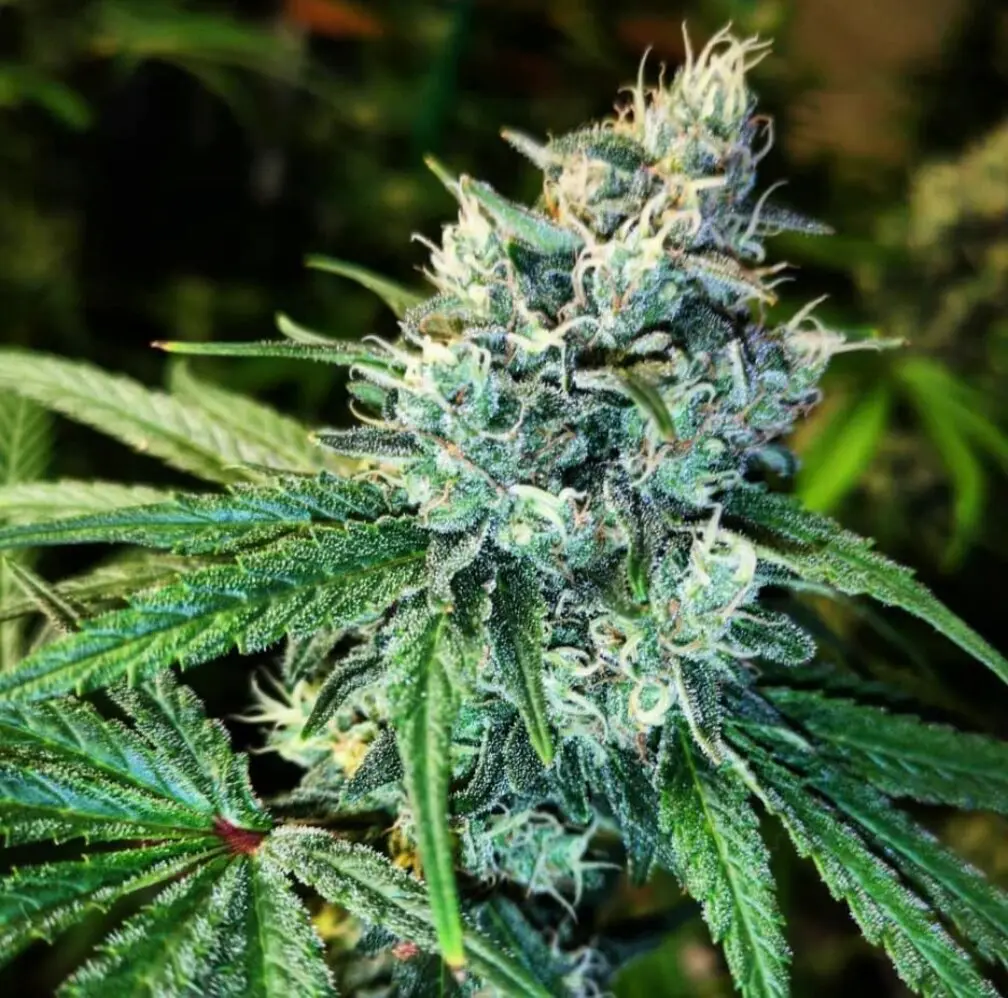
First, a common mix-up: Old School Skunk #1 Regular is not the generic “Skunk #1” sold by countless seed banks. Here the “#1” is a selection number. Old School Genetics calls it the Heritage Pheno: phenotype number one picked by Oldman Green from his Old School Skunk BX1 family.
That family starts with a Skunk #1 80’s female, an authentic piece of 1980s genetics, crossed to a (Skunk #1 80’s x DC Krush) male. DC Krush is Deep Chunk x Krush, so the backcross folds a dose of hardy Afghan-style Indica into the vintage Skunk while keeping the Skunk #1 80’s mother front and center.
The numbers are approachable for a heritage line: a 40% Indica / 60% Sativa balance, 9-10 weeks of flowering (65-70 days), 500+ g/m² (1.64+ oz/ft²) indoors and 600+ g/plant (21.2+ oz/plant) outdoors, harvested at the beginning of October. The Old School Skunk family’s potency is rated as medium to high, without a published percentage.
Packs contain 12 regular seeds. Expect both males and females, and a degree of variation from plant to plant. OSG positions this release as a more accessible way into its Skunk project, which makes it an ideal starting point for growers who want to hunt their own Skunk mother or keep a male for old-school breeding work.
The Heritage Skunk Nose and How to Grow It
Aroma is the reason anyone chases old Skunk. Old School Genetics describes this selection with three words: pungent, acrid and penetrating. It is the thick, musky, unmistakable stink that once gave the whole family its name, the kind that announces a grow from the hallway.
On the palate it stays honest and earthy rather than sweet: a heavy, funky skunk that sits on the tongue and lingers well after the exhale. Growers who were around before dessert strains took over will recognize it immediately.
No official effect description has been published for this pheno. Its 60% Sativa ratio and Skunk #1 roots suggest a Sativa-leaning, classic skunk high typical of the lineage, though regular seeds always bring some variation.
The plants grow narrow and slender, then stretch roughly x4 once flowering starts. Topping in veg and some LST keep the canopy even, and a SCROG net works well for taller phenotypes. Take clones of promising females before the flip so you can keep the one with the loudest Heritage nose as a long-term mother.
Old School Skunk #1 Regular Characteristics
| Strain type | Regular (12 regular seeds) |
| Genetics | Phenotype #1 (Heritage Pheno) from Old School Skunk BX1: Skunk #1 80’s x (Skunk #1 80’s x DC Krush) |
| Indica/Sativa | 40% Indica / 60% Sativa |
| THC | Medium to high (family rating, no % published) |
| Effect | Sativa-leaning classic skunk high typical of its lineage |
| Flavor | Pungent, acrid, penetrating skunk |
| Indoor yield | 500+ g/m² (1.64+ oz/ft²) |
| Outdoor yield | 600+ g/plant (21.2+ oz/plant) |
| Flowering time | 9-10 weeks (65-70 days) indoors |
| Outdoor harvest | Beginning of October |
| Height/Stretch | Approx. x4 stretch in flowering |
| Structure | Narrow, slender frame |
| Best cultivation technique | Topping, LST, SCROG and mother selection |
FAQ
Is Old School Skunk #1 the same as Skunk #1?
No. The #1 is a selection number: this is the Heritage Pheno, phenotype #1 selected from the Old School Skunk BX1 family by Oldman Green of Old School Genetics.
What is the genetics of Old School Skunk #1?
It comes from the Old School Skunk BX1 family: a Skunk #1 80’s female crossed with a (Skunk #1 80’s x DC Krush) male, where DC Krush is Deep Chunk x Krush.
What are regular seeds?
Regular seeds grow into male and female plants. They are the choice of breeders and pheno hunters who want to select a mother plant or keep males for their own crosses.
How long does Old School Skunk #1 take to flower?
It flowers in 9-10 weeks (65-70 days) indoors and finishes outdoors around the beginning of October.
What does Old School Skunk #1 smell like?
The breeder describes a pungent, acrid and penetrating skunk aroma, so strong odor control is recommended.
What yield can I expect?
Old School Genetics lists 500+ g/m² (1.64+ oz/ft²) indoors and 600+ g/plant (21.2+ oz/plant) outdoors.
Reviews
There are no reviews yet.