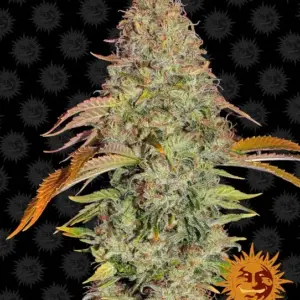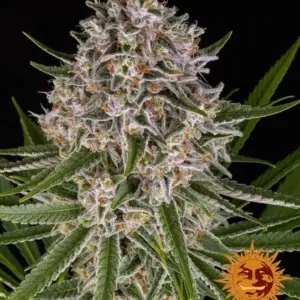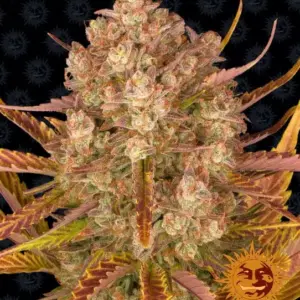
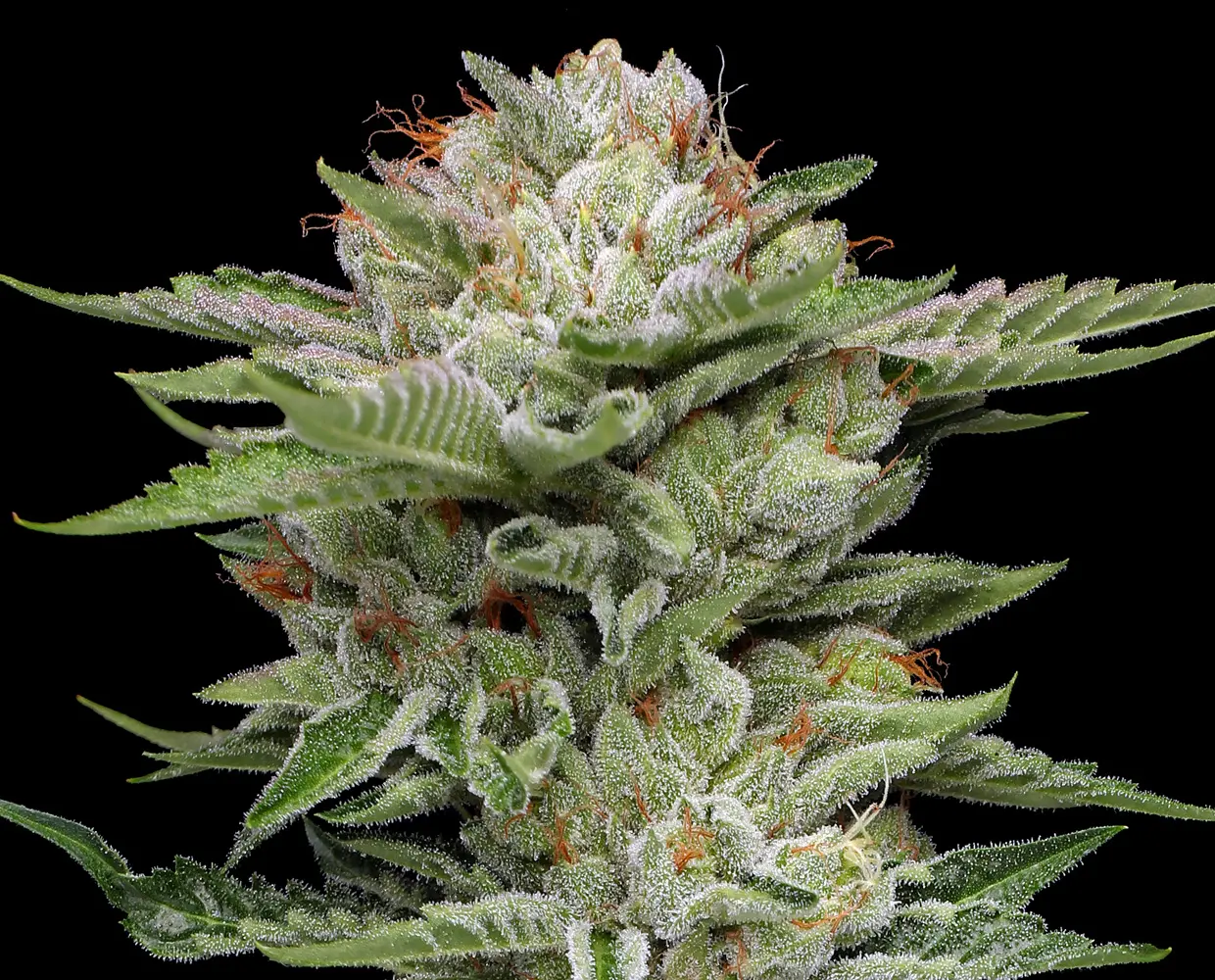
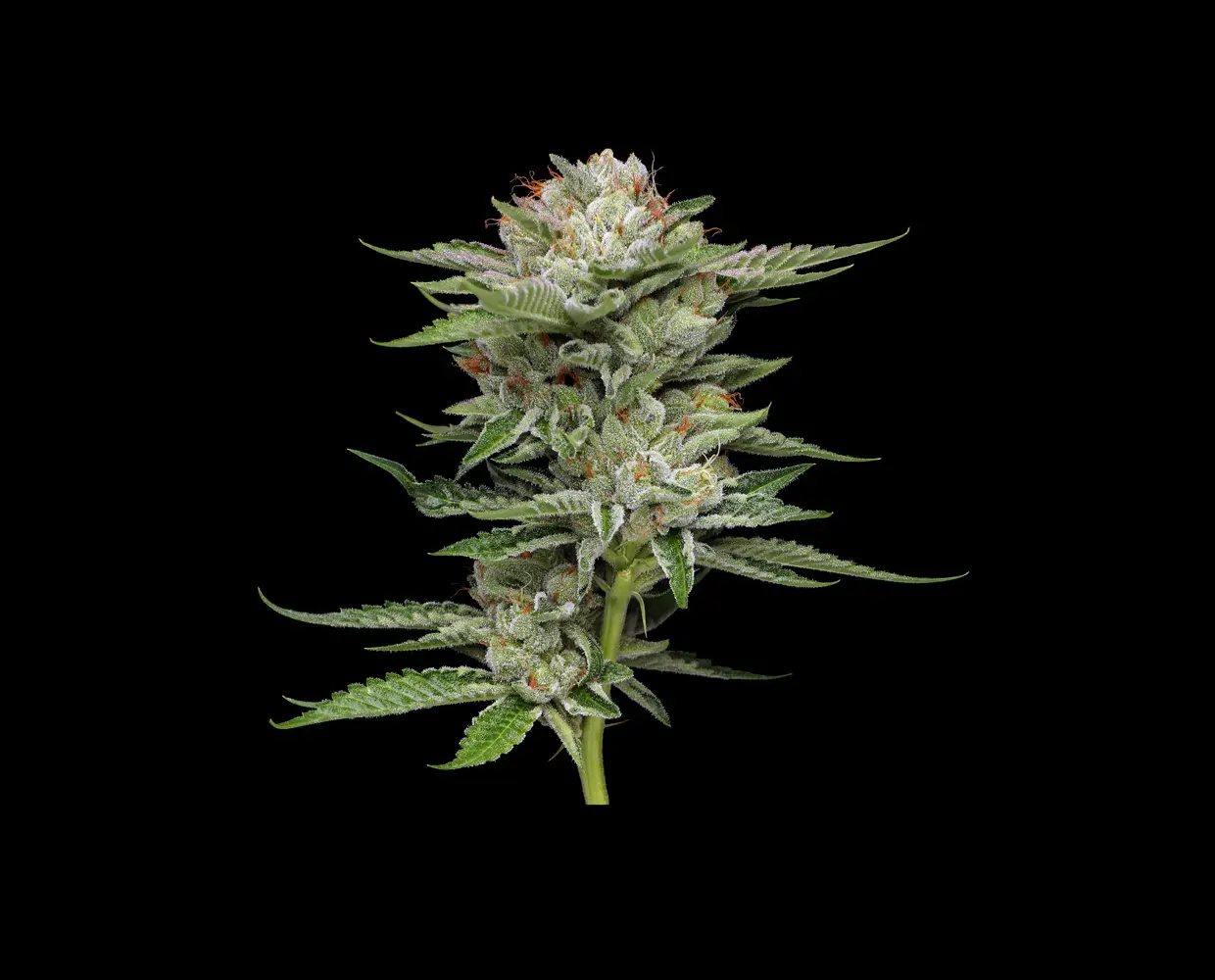
V-Auto is Humboldt Seed Company’s take on a fast, sativa-leaning autoflower with an unusual twist: the breeder singles out a high THCV content as one of its defining traits, something rarely highlighted in autoflowering seeds. Bred from Durban Auto x OG Auto, this 40% Indica / 60% Sativa hybrid runs from seed to harvest in roughly 70–80 days and stacks vibrant green flowers dusted with a frosty layer of trichomes.
The appeal is easy to see. Growers get a short, predictable timeline, strong plants and excellent disease resistance, while the jar delivers a terpene mix of sweet gas, guava, spice and ripe fruit that feels far more exotic than the average quick auto. The breeder describes the effect as potent and energetic, a clear-headed lift built for daytime plans rather than the couch.
V-Auto Lineage and Breeding
Humboldt Seed Company built V-Auto by crossing two autoflowering lines with very different personalities. Durban Auto carries the spirit of the classic South African sativa, known for an upbeat, cerebral character and vigorous, stretchy growth. OG Auto brings the West Coast OG backbone: tighter flowers, a fuel-tinged nose and a sturdier frame that keeps the plant manageable.
The result leans sativa at 60%, with enough indica structure from the OG side to keep buds firm and plants compact enough for indoor spaces. The breeder points to THCV, a cannabinoid most often associated with African sativa heritage, as part of what makes this line stand apart. No exact THC or THCV percentage is published, so V-Auto is better approached as a potent, character-driven auto than as a lab-number chase.
V-Auto Aroma, Flavor and Effect
Open a jar of cured V-Auto and the first impression is sweet gas: sugary on top, fuel underneath. Grind a bud and the fruit comes forward, with guava leading the way and a warm spice note trailing behind. The shop description also mentions sweet citrus and earthy undertones, which show up most clearly on the exhale.
On the palate it reads like tropical fruit cooked over a smoky grill with a pinch of black pepper. Sweetness lands first, the spice dries out the finish, and a faint gas edge keeps the whole profile from drifting into candy territory. It’s layered rather than sugary, and each pull reveals a slightly different side.
The effect follows the 60% sativa makeup. The breeder lists it as potent and energetic, and the shop copy points to focus, motivation, creativity and a gentle euphoria instead of heavy body weight. It suits daytime sessions, creative projects, a long walk or a social afternoon when you’d rather stay sharp. Newer consumers should still start slowly, because potent means potent.
Growing V-Auto Indoors and Outdoors
Indoors, V-Auto needs no light switch. Keep the lights at 18/6 or 20/4 from germination to harvest and the plant moves into bloom on its own after a few weeks of vegetative growth. Autos have little time to recover from setbacks, so sow directly into the final container when possible, avoid transplant shock and keep feeding light during the first weeks.
The sativa-leaning frame responds well to gentle low-stress training. Bend and tie the main stem early to open the canopy and spread the bud sites under the light, and skip topping once the plant shows its first pistils. Good airflow helps the frosty colas finish clean, and the breeder’s note on excellent disease resistance adds an extra margin of safety in humid rooms.
Outdoors, the 70–80 day seed-to-harvest window makes V-Auto very flexible. Plant once nights stay reliably warm and you can harvest in mid-summer, then fit a second round in before fall in many US regions. Full sun, a well-draining container or raised bed and steady watering are all it asks. Patios, balconies and small backyard plots all work.
V-Auto Characteristics
| Strain type | Autoflowering |
| Genetics | Durban Auto x OG Auto |
| Indica/Sativa | 40% Indica / 60% Sativa (sativa-dominant hybrid) |
| THC | Potent; high THCV content (no % published) |
| Effect | Potent and energetic; focused, creative, gently euphoric |
| Flavor/Aroma | Sweet gas, guava, spice, fruit, hints of citrus and earth |
| Flowering time / Seed to harvest | 70–80 days from seed |
| Yield | Generous for an autoflower (no figures published) |
| Characteristics | Strong plants, excellent disease resistance, frosty green buds |
| Best cultivation technique | Gentle LST under 18/6 or 20/4; no topping late in the cycle |
FAQ
Is V-Auto indica or sativa?
V-Auto is a sativa-dominant hybrid listed at 40% Indica and 60% Sativa. Durban Auto supplies most of the sativa character, while OG Auto adds structure and a fuel edge.
How long does V-Auto take from seed to harvest?
Humboldt Seed Company lists 70–80 days from seed. As an autoflower it needs no light change and can stay under 18/6 or 20/4 for the whole cycle.
What makes V-Auto different from other autoflowers?
The breeder highlights a high THCV content, which helps explain its focused, energetic character. No exact THC or THCV percentage is published for this line.
What does V-Auto taste like?
Expect sweet gas on the nose, followed by guava, spice and ripe fruit on the palate, with sweet citrus and earthy undertones on the exhale.
Is V-Auto a good choice for beginners?
Yes. Strong plants, excellent disease resistance and a fixed autoflower timeline make it forgiving. Avoid heavy training and transplant shock, and keep early feeding light.