
Table of Contents
Purple cannabis has long fascinated both growers and consumers, standing out for its striking hues and deep, vibrant shades. But what actually causes this color change? Is it strictly genetic, or do environmental factors play a role too?
In this article, we’re going to break that down. We’ll look at what makes weed turn purple and highlight some of the best purple strains that develop rich colors when exposed to cooler temperatures.
The Science Behind Purple Cannabis
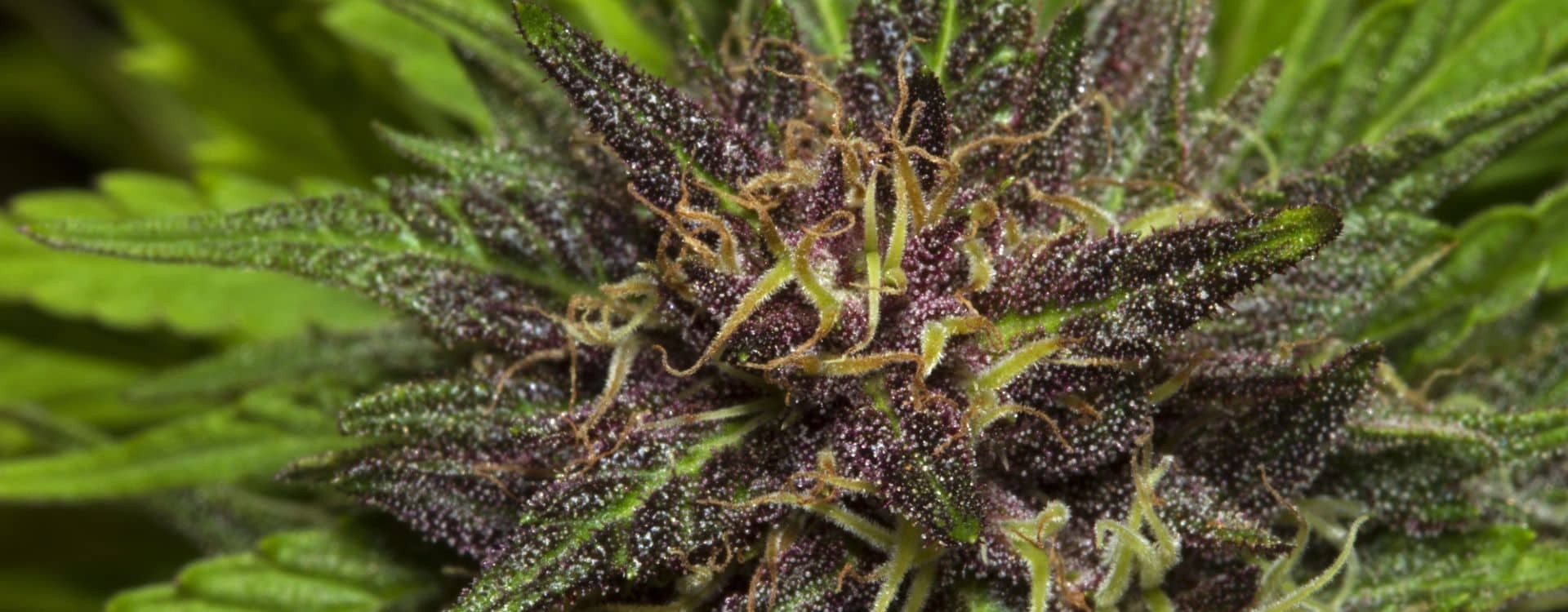
The purple color in cannabis is primarily caused by anthocyanins, a group of water-soluble pigments found in many plants, including berries, grapes, and red cabbage. These pigments are responsible for a range of colors — including red, blue, and purple — depending on their pH and environmental conditions.
Unlike chlorophyll, which gives cannabis its typical green color, anthocyanins become more noticeable when chlorophyll breaks down. This process is most evident during the later stages of flowering, especially when plants are exposed to cooler temperatures.
Factors That Influence Purple Colouration
While anthocyanins provide the potential for cannabis to turn purple, several key factors determine whether a plant will actually develop these colors.
Genetics: The Foundation of Purple Strains
Not all cannabis plants have the ability to turn purple. High levels of anthocyanins in a strain’s genetics play a major role. Some strains are naturally predisposed to developing purple hues, while others will stay green regardless of environmental conditions.
Temperature: The Colour Trigger
One of the biggest influences on purple cannabis is temperature. When nighttime temperatures drop significantly during the flowering stage, chlorophyll production slows, allowing anthocyanins to dominate. This process mirrors the way leaves change color in the fall.
For the best purple coloration, aim for a temperature drop of 8–10°C between day and night during flowering. That said, it’s important to avoid extreme cold, since frost or excessive cold stress can damage overall plant health.
Light Exposure: Enhancing Anthocyanin Production
Purple hues can also be intensified by adjusting light exposure. Higher levels of UV light have been linked to increased anthocyanin production. Some growers use LEDs with UV spectrums to encourage deeper coloration, while outdoor growers may notice stronger purpling in sunny environments.
pH Levels: Acidic or Alkaline Influence
The pH of a plant’s growing medium can affect anthocyanin expression. While cannabis generally prefers a slightly acidic pH (between 6.0 and 6.8 in soil, or 5.5–6.5 in hydroponics), some growers experiment with pH variations to encourage more coloration. However, drastic pH changes can lead to nutrient deficiencies, so caution is key.
Nutrient Availability: Balancing Phosphorus and Nitrogen
Nutrient levels also influence color expression. Some growers find that reducing nitrogen during the later flowering stages while maintaining phosphorus and potassium levels can encourage purpling. However, nutrient restriction should be handled carefully to avoid harming the plant.
Popular Purple Cannabis Strains
Certain strains are genetically predisposed to turn purple, especially when exposed to colder temperatures during flowering. Below are some of the best purple varieties available at Oaseeds that develop stunning shades under the right conditions.
1. Purple Punch
Purple Punch is a strong indica-dominant hybrid known for its deep purple hues and sweet, fruity aroma. This strain performs especially well in cooler flowering conditions, with high anthocyanin levels driving its signature vibrant colors.
2. Granddaddy Purple
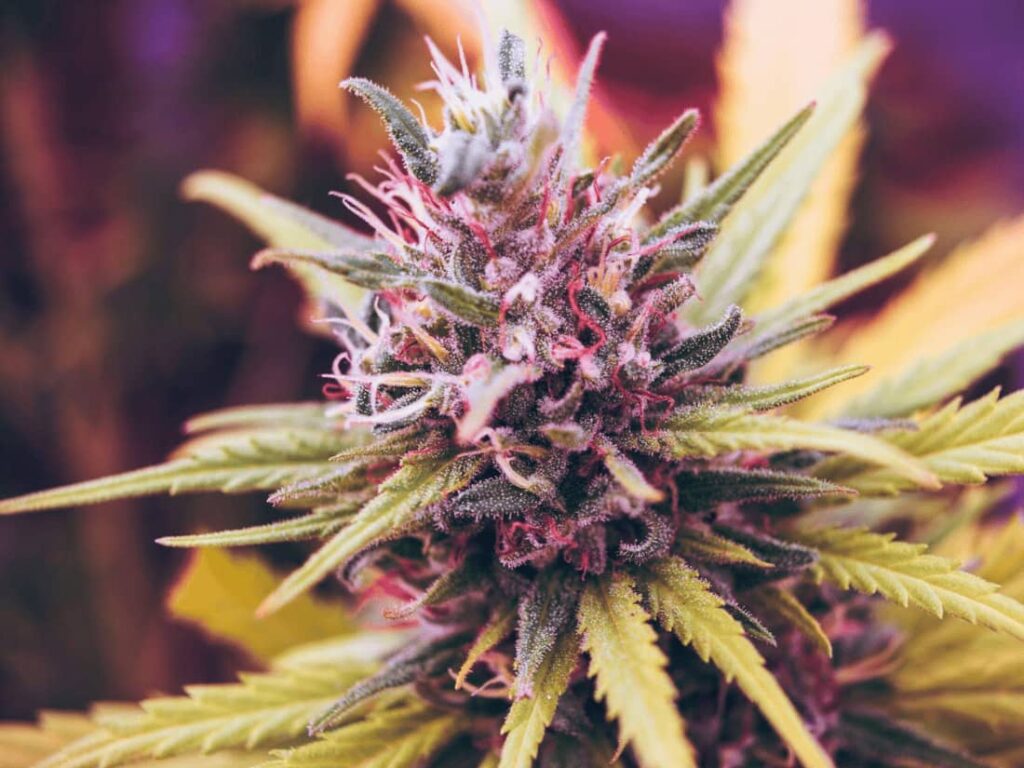
One of the most well-known purple strains, Granddaddy Purple (GDP) is a cross between Purple Urkle and Big Bud. It produces deep purple buds with bright orange hairs and delivers a classic grape-and-berry flavor profile.
3. Blackberry Kush
Blackberry Kush is a potent indica variety that often develops dark purple and blue shades. It thrives in cooler environments, and its sweet berry aroma makes it a favorite among fans of purple strains.
4. Purple Haze
A sativa-leaning classic, Purple Haze is known for its purple-tinged buds and uplifting effects. This strain responds well to temperature swings, developing rich violet hues in cooler grow spaces.
5. Black Domina
Black Domina is an indica strain that shows dark green and deep purple tones when exposed to lower temperatures. Its fast flowering time and strong sedative effects make it a popular option for nighttime use.
6. Dark Devil Auto
For autoflower growers, Dark Devil Auto is an excellent choice. This strain develops striking shades of purple and red throughout its life cycle, making it as visually impressive as it is potent.
Growing Tips for Enhancing Purple Colouration
To bring out the best purple shades in your cannabis plants, follow these tried-and-true growing tips:
- Select a strain with high anthocyanin levels: Genetics are the main factor in achieving vibrant purple coloration.
- Drop nighttime temperatures: A difference of 8–10°C between day and night can encourage anthocyanin expression.
- Use LED lights with a UV spectrum: This can help intensify purple hues in indoor grows.
- Maintain proper nutrient levels: Cutting back nitrogen late in flowering while keeping phosphorus and potassium steady can support color development.
- Harvest at the right time: Some strains deepen their purple tones during the final weeks of flowering, so patience pays off.
What Role Do Terpenes Play in Purple Cannabis?
While anthocyanins are responsible for the color of purple cannabis, terpenes play a major role in flavor and aroma. Many purple strains are known for sweet, berry-like, or fruity scents that come from specific terpenes such as myrcene, limonene, and pinene. These compounds don’t just influence taste — they may also contribute to the entourage effect, shaping the overall cannabis experience.
For example, Granddaddy Purple and Purple Punch both contain high levels of myrcene, which gives them a grape-like aroma and deeply relaxing effects. Meanwhile, strains like Purple Haze deliver a citrus edge thanks to their limonene content.
Even though the deep purple hues are visually impressive, they don’t directly affect potency or effects — it’s the terpene and cannabinoid profile that determines how a strain hits.
When choosing purple strains, it’s worth paying attention to their terpene profile to find one that matches your preferred flavor and overall experience.
Does Purple Weed Indicate High Quality?
A common misconception is that purple cannabis is always stronger or higher quality than green varieties. In reality, color doesn’t determine potency, since THC and CBD levels depend on genetics, cultivation methods, and curing techniques. A visually stunning purple strain may still have moderate THC levels, while a green strain can be far more potent.
That said, many consumers associate purple cannabis with premium quality because strains that develop these hues often have well-balanced terpene profiles, producing flavorful, aromatic buds. On top of that, growers who dial in the right conditions for purple strains usually focus on careful plant management, which often leads to high-quality harvests.
In the end, when choosing a cannabis strain, effects, aroma, and potency matter more than color. While purple strains are undeniably eye-catching, their real appeal lies in their unique genetics and sensory profile — not just their looks.
FAQ: What Makes Weed Purple?
1. Can all cannabis strains turn purple?
No, only strains with high anthocyanin content can develop purple hues. Some strains stay green regardless of environmental conditions.
2. Will growing in the cold always make cannabis purple?
No, only strains with high anthocyanin content can develop purple hues. Some strains stay green regardless of environmental conditions.
3. Does purple cannabis have higher potency?
The color of cannabis doesn’t directly affect THC or CBD levels. That said, some purple strains are naturally potent due to their genetics.
4. Are purple cannabis strains harder to grow?
Not always. Some purple strains are just as easy to grow as green strains, as long as they’re given the right conditions for color development.
5. Does purple cannabis taste different?
Many purple strains have sweet, fruity, or berry-like flavors, but that comes from their terpene profile rather than the coloration itself.