
Table of Contents
Cannabis seeds are the starting point of any successful grow, but not all seeds are created equal. Knowing what healthy, viable weed seeds look like is key for growers who want strong germination rates and vigorous plants. Whether you’re new to cultivation or already experienced, learning how to spot quality seeds — and avoid weak ones — can make a real difference in your results.
The Appearance of Healthy Weed Seeds
A high-quality cannabis seed has a hard outer shell that protects the embryo inside. While weed seeds can vary in color and pattern, there are clear visual signs that indicate whether a seed is fresh and likely to germinate.
1. Color and Pattern
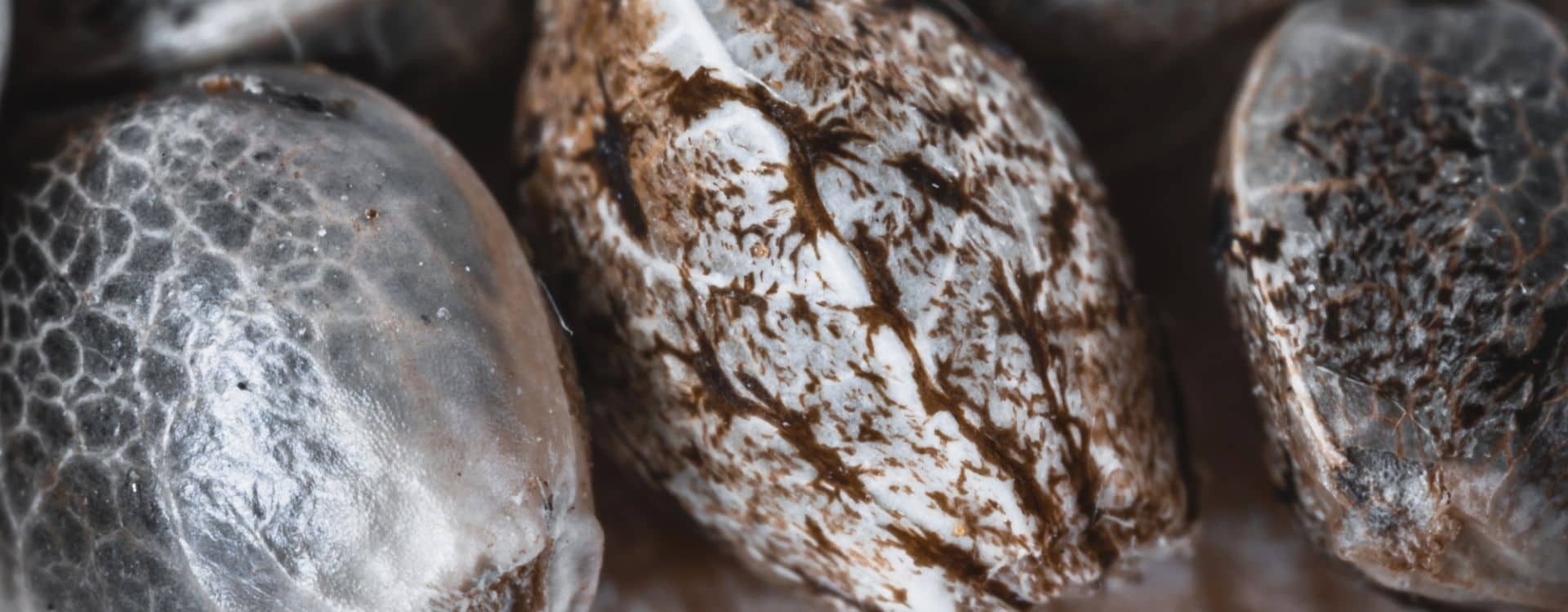
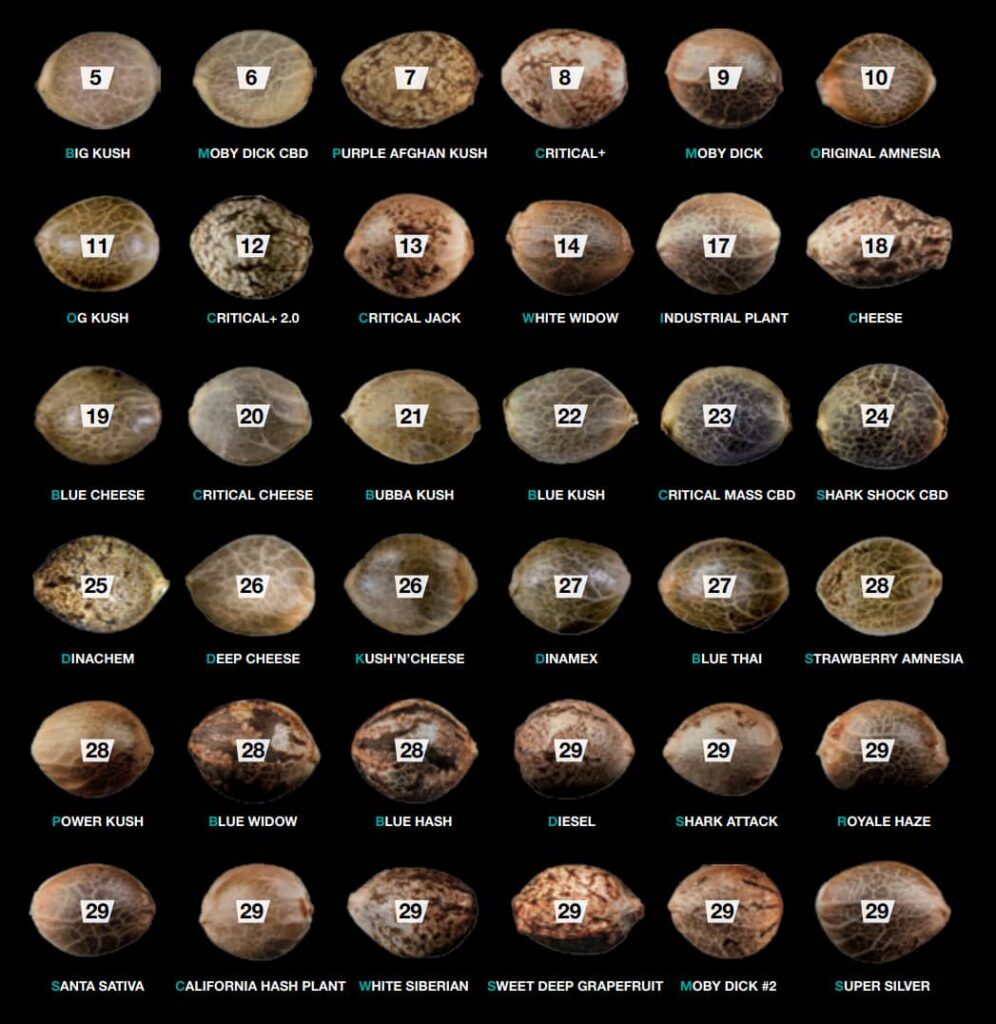
Healthy cannabis seeds are usually dark brown, gray, or nearly black. Many show a distinctive mottled or tiger-stripe pattern, often called a brindle look. Light speckles are normal and come from the seed’s protective outer layer, known as the testa.
2. Size and Shape
Seed size depends on genetics, but viable weed seeds are typically round or oval and fairly symmetrical. Very small, flat, or misshapen seeds are often immature and have a lower chance of sprouting.
3. Texture and Hardness
A good cannabis seed feels firm and slightly waxy to the touch. If you gently press it between your fingers, it shouldn’t crack easily. Soft, brittle, or fragile seeds are usually old or damaged and less likely to germinate.
4. Natural Sheen
Fresh seeds often have a subtle shine when you hold them under the light. Seeds that look dull, dusty, or faded may be too old or poorly stored, which can reduce their germination potential.
How to Spot Bad or Immature Seeds
Not every seed you come across will be viable. Some may be too young, too old, or physically damaged. These signs can help you identify seeds that are unlikely to grow.
1. Pale or Green Color
Seeds that are white, pale green, or very light beige are usually immature. They haven’t fully developed the protective shell or internal nutrients needed for healthy germination.
2. Cracks or Visible Damage
Any visible crack or chip in the shell is a bad sign. Even small fractures can expose the embryo inside, making successful germination unlikely.
3. Wrinkled or Shriveled Look
Seeds that appear wrinkled or overly dry are often too old. While cannabis seeds can stay viable for years, exposure to heat, air, or moisture speeds up degradation.
4. The Squeeze Test
A simple way to check a seed is to gently squeeze it. A healthy seed stays firm, while a dead or weak seed will collapse or crack with very little pressure.
What Affects Cannabis Seed Quality?
Even seeds that look good can lose viability due to outside factors. Understanding these can help you choose and store seeds more effectively.
1. Genetics and Breeding
Genetics play a major role in seed quality. Well-bred seeds from reputable sources are selected for stability, vigor, and high germination rates. Poor genetics often result in weaker, inconsistent plants.
2. Storage Conditions
Improper storage causes seeds to age faster. Cannabis seeds should be kept in a cool, dark, and dry place, ideally in an airtight container. Refrigerated storage helps preserve freshness and viability over time.
3. Seed Age
Although weed seeds can remain viable for several years, germination rates slowly decline with age. Fresh seeds generally sprout more easily, while older seeds may need extra care to germinate.
4. Handling and Packaging
Seeds that are crushed, exposed to humidity, or poorly packaged can lose viability. Buying from trusted suppliers reduces the risk of damage during storage and transport.
How to Test If a Weed Seed Is Viable
If you’re unsure whether a seed will sprout, you can use the float test:
- Fill a glass with lukewarm water.
- Drop the seed into the water.
- Wait one to two hours.
- Seeds that sink are more likely to be viable, while floating seeds are often hollow or non-viable.
This method should be used carefully, as soaking seeds without planting them soon after can reduce germination success.
Purple or Unusually Colored Seeds
Most healthy cannabis seeds are brown with mottled patterns, but some strains naturally produce darker or even purple seeds. This is due to genetics and environmental factors and isn’t a problem. As long as the seed is hard, well-shaped, and intact, color alone doesn’t affect germination.

FAQs: What Do Weed Seeds Look Like?
Can you identify a strain just by looking at the seed?
No. Cannabis seeds don’t reveal their strain by appearance alone. Genetics can only be confirmed through proper labeling from a reliable seed bank.
Are bigger seeds always better?
Not necessarily. Seed size varies by strain. Firmness, color, and shell integrity matter more than size.
Why do some seeds look shiny while others don’t?
A slight sheen usually indicates freshness. Dull or faded seeds may be older, but they can still germinate if the shell is hard and undamaged.
How long do cannabis seeds stay viable?
With proper storage, weed seeds can remain viable for five years or more, though fresher seeds tend to germinate more reliably.
Can white or green seeds still grow?
Occasionally, yes — but the success rate is low. Pale seeds are usually immature and best avoided.

Final Thoughts on Weed Seed Appearance
Knowing what weed seeds look like helps growers choose strong, viable seeds and avoid wasting time on weak ones. Healthy seeds are typically dark, hard, and symmetrical, often with a mottled pattern and a slight sheen. Steering clear of pale, cracked, or brittle seeds is one of the easiest ways to improve your chances of a successful grow.