
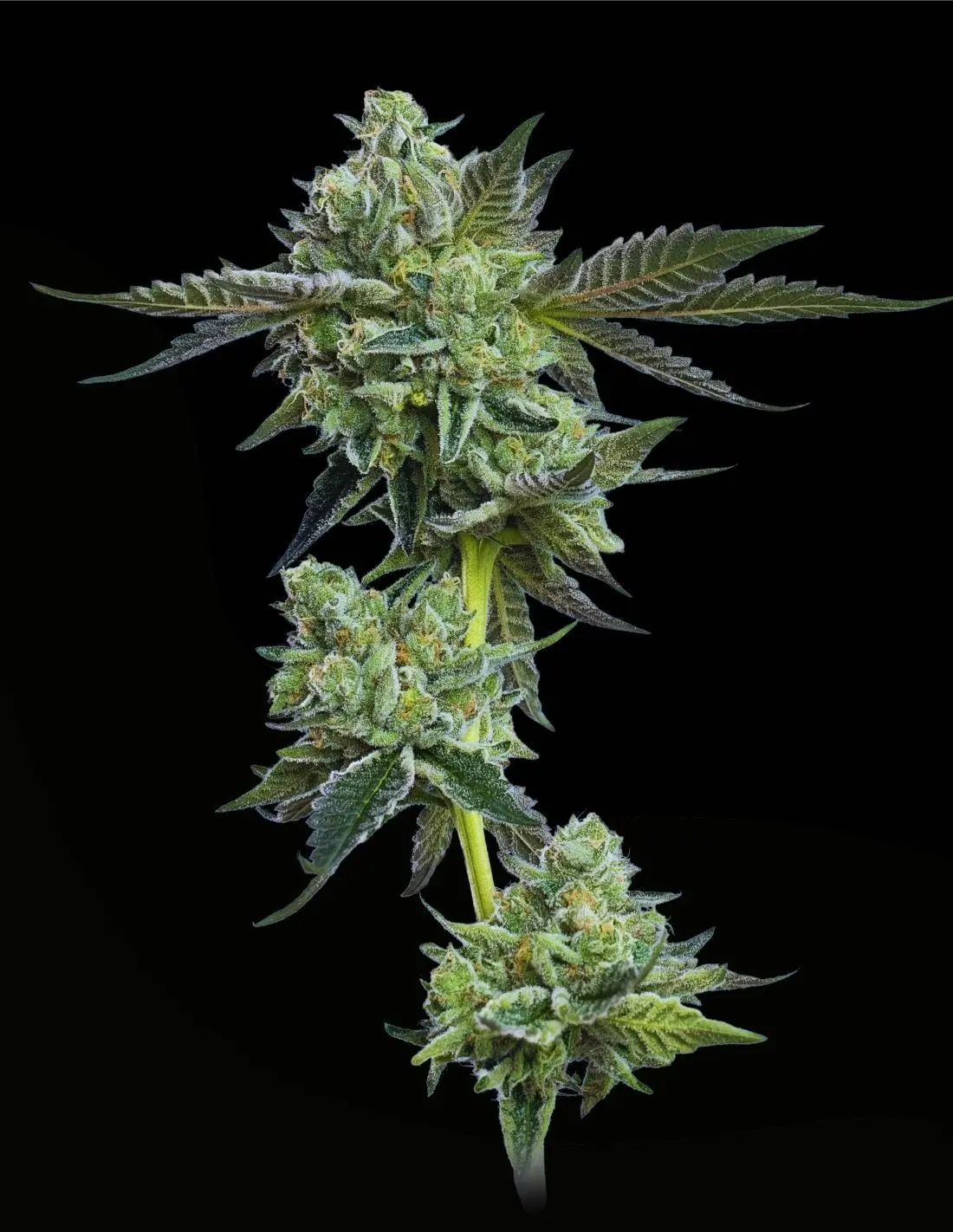
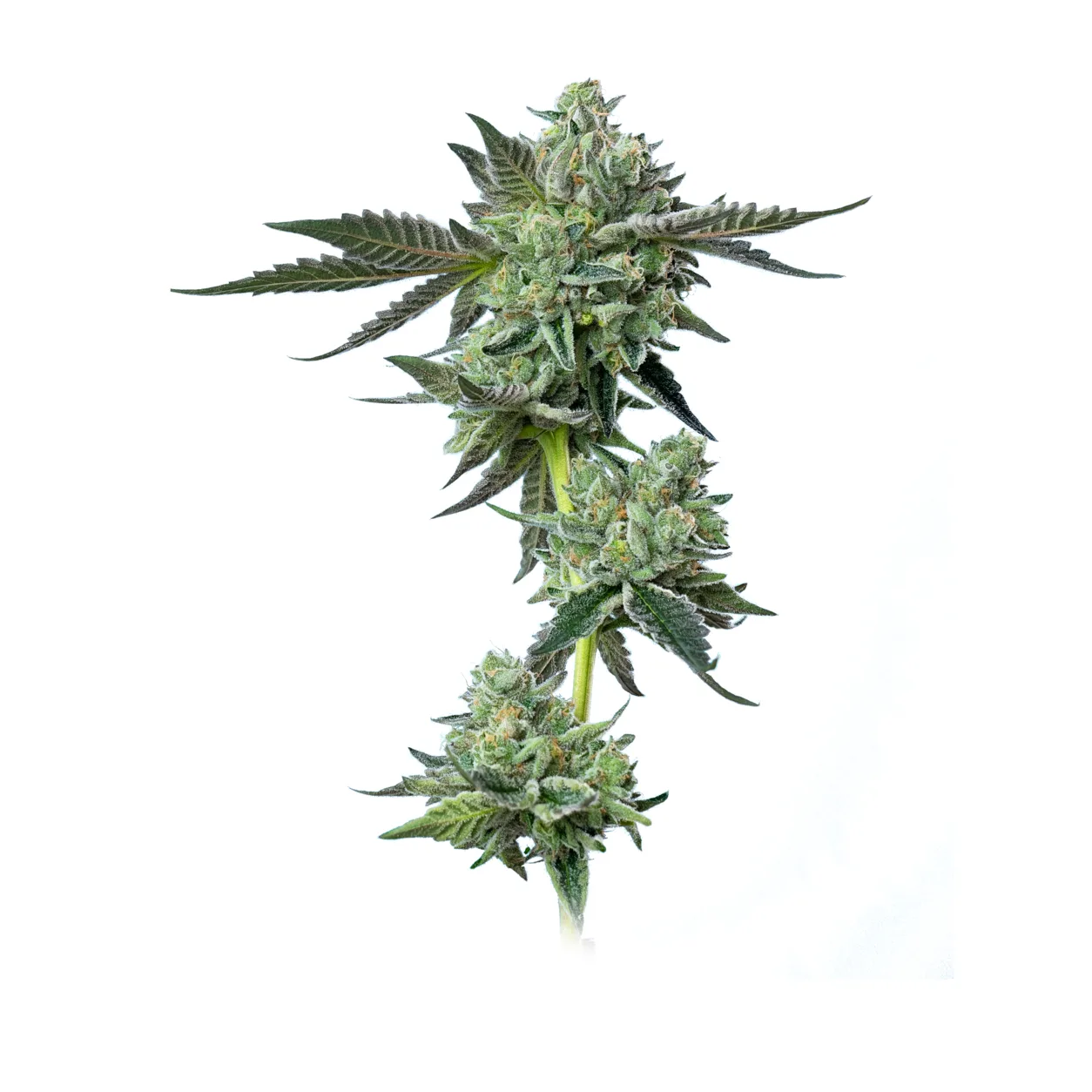
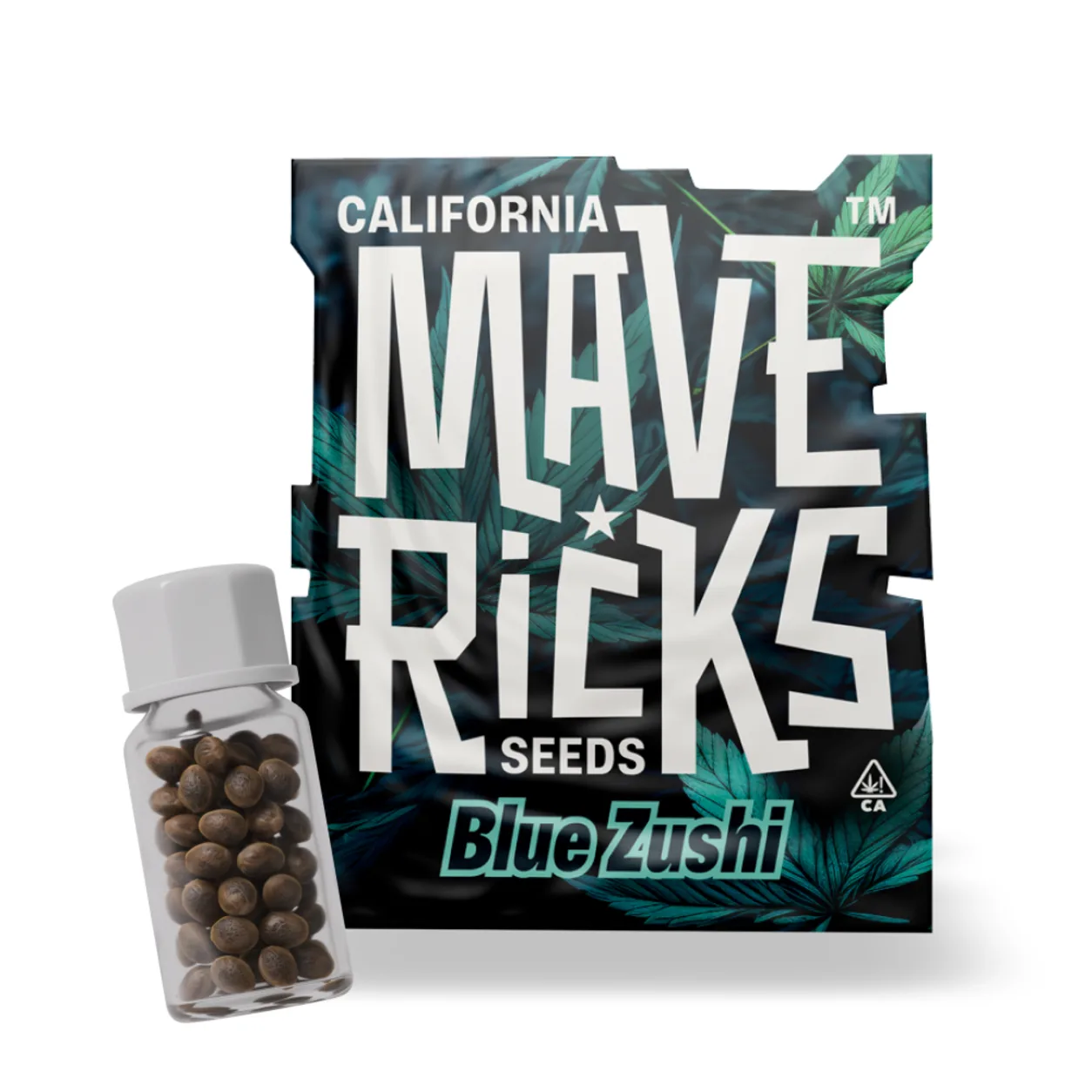
Blue Zushi by Mavericks Genetics is a feminized, Indica-leaning hybrid of Zkittlez x Kush Mints, defined by a sharp sour aroma with heavy fuel undertones. At 60% Indica and 40% Sativa, with THC rated at 25 ± 2%, it offers a potent but approachable experience built around one of the loudest terpene profiles in the range.
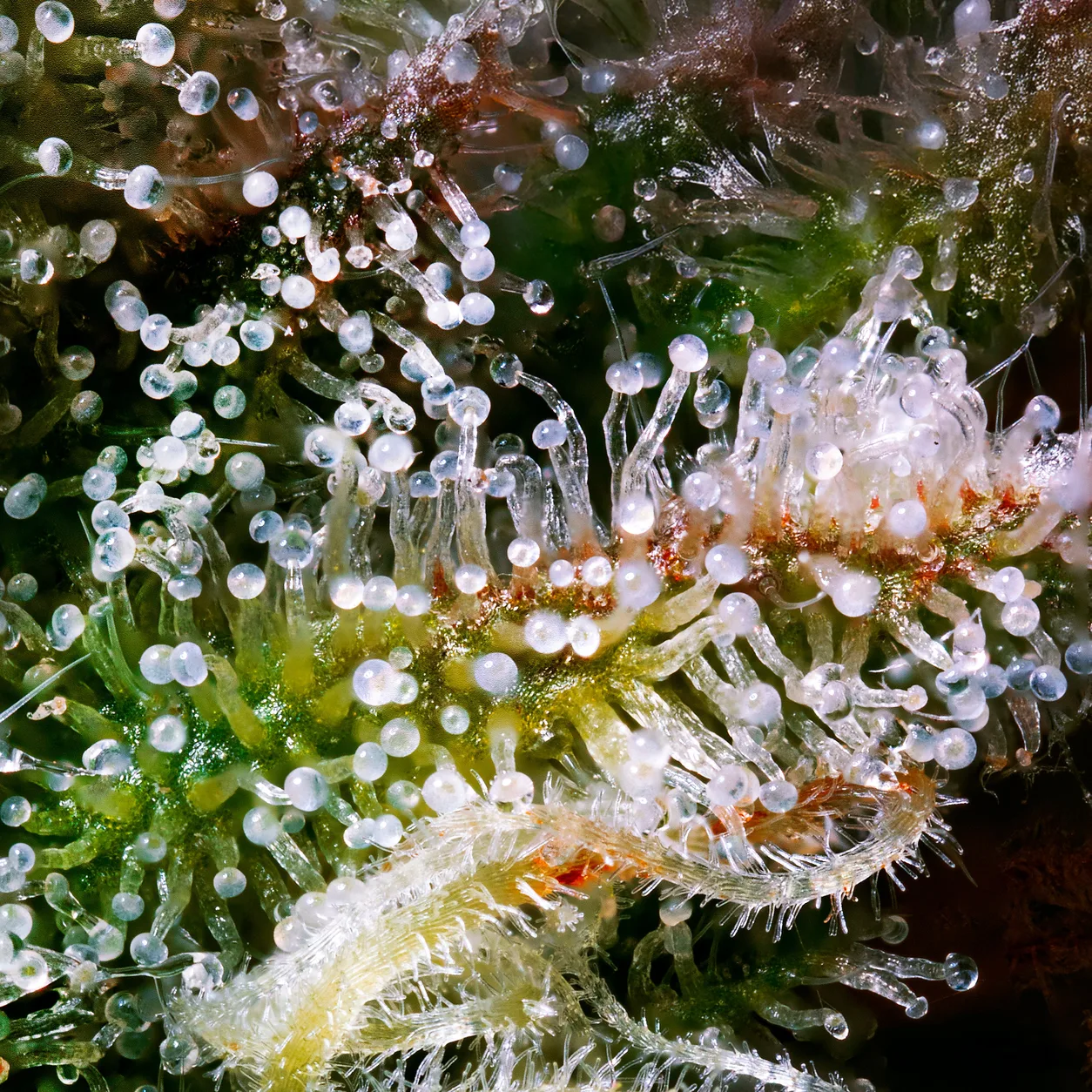
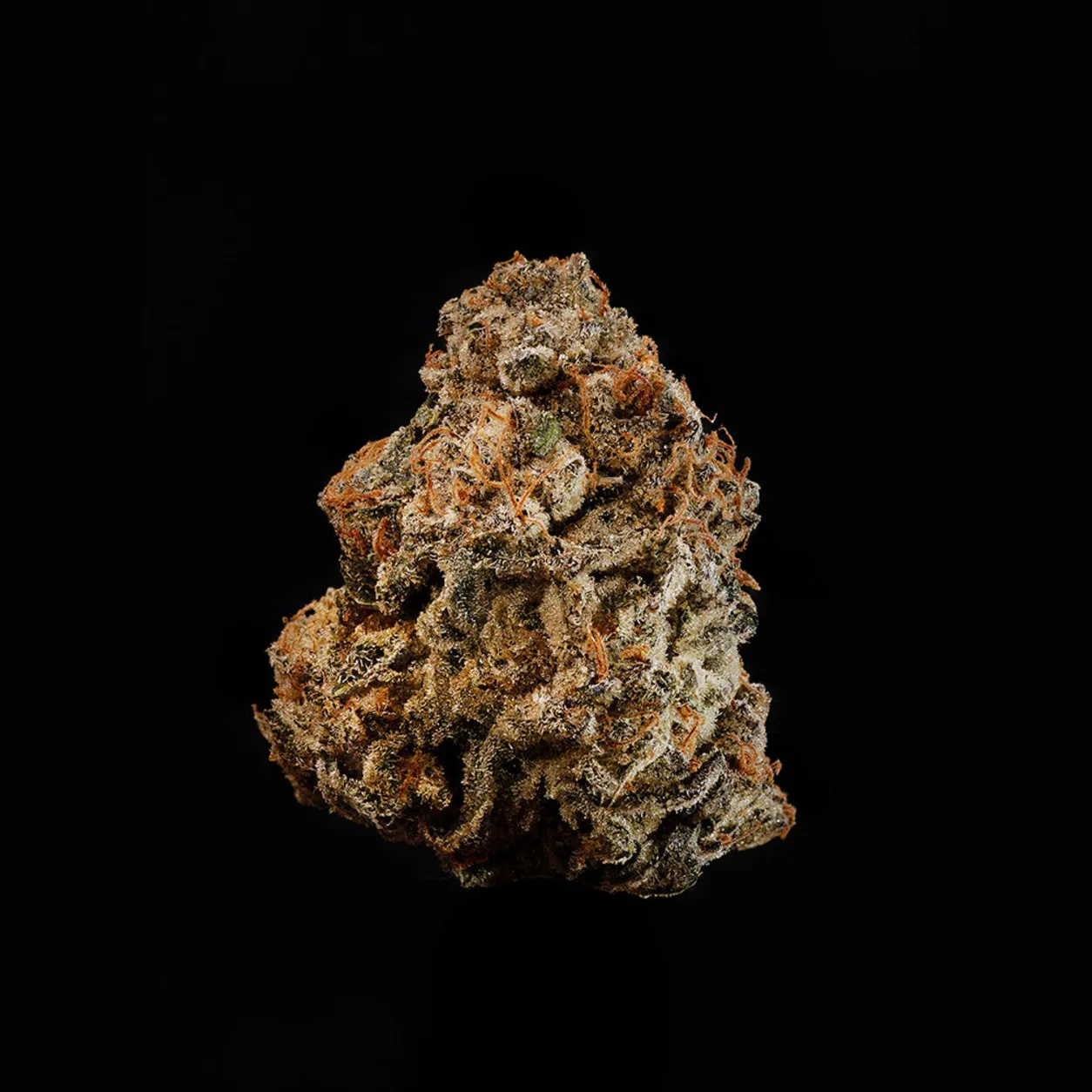
Total terpenes reach 3.40%, the highest figure in this group of Mavericks cultivars, so the aroma is intense from mid-flower onward. Buds finish green, dense and well coated in resin.
Mavericks Genetics reports 12 national cannabis awards for Blue Zushi. It is also a dependable producer, with breeder figures of around 600 g/m² indoors and up to 800 g per plant outdoors over an 8-9 week bloom.
With a 99.5% feminization rate and a dry extraction ratio of 100:12 kg, Blue Zushi seeds suit growers who prize terpene intensity and steady results indoors or outdoors.
Zkittlez x Kush Mints: Blue Zushi Genetics
Zkittlez is famous for its sweet, sour and fruity candy terpenes and compact structure. Kush Mints adds a frosty cookie-style finish, a cool, gassy depth and dense calyx stacking.
Together they produce a 60/40 Indica-leaning hybrid with a medium, manageable frame, sturdy branches and strong resin output. The Kush Mints side shows in the fuel undertones, while Zkittlez drives the tangy, sour top notes.
Sour and Fuel: Aroma, Flavor and Effect
The breeder lists the aroma as sour and fuel. Tangy, almost puckering sour notes lead, with a pronounced gassy base underneath. With 3.40% total terpenes, the smell fills a room fast.
On the palate, Blue Zushi is sharp and zesty, with a sour fruit inhale and a heavy fuel exhale that lingers. The combination is complex and distinctive, well suited to connoisseurs who like bold flavors.
The effect is relaxing and euphoric. A cheerful mental lift arrives first, followed by a calm, loose body feel. At 25 ± 2% THC, it is strong without being as overwhelming as the highest-THC cultivars, and it fits late afternoon and evening use.
Growing Blue Zushi Indoors
Indoors, Blue Zushi is a cooperative plant with a manageable height. Topping once and training the branches with LST creates an even canopy, and a SCROG net helps maximize light on every top. The breeder lists about 600 g/m² (1.97 oz/ft²) after 8-9 weeks of flowering.
Its powerful aroma calls for a quality carbon filter. Maintain good airflow and moderate humidity, and remove lower growth that does not reach the light to direct energy into the main colas.
Growing Blue Zushi Outdoors
Outdoors, Blue Zushi grows well in a warm, sunny location, producing up to 800 g per plant (28.2 oz/plant) according to the breeder. Harvest arrives around the middle of October in the Northern Hemisphere.
Plant in rich, well-drained soil, keep the plant open with light pruning and provide support for the heavier branches. Bear in mind that the strong sour fuel aroma travels, so site selection matters.
Blue Zushi Characteristics
| Strain type | Feminized |
| Genetics | Zkittlez x Kush Mints |
| Indica/Sativa | 60% Indica / 40% Sativa |
| THC | 25 ± 2% |
| Effect | Relaxing, euphoric |
| Aroma/Flavor | Sour, fuel |
| Indoor yield | 600 g/m² (1.97 oz/ft²) |
| Outdoor yield | 800 g/plant (28.2 oz/plant) |
| Flowering time | 8-9 weeks |
| Outdoor harvest | Mid-October |
| Cola color | Green |
| Terpenes (total %) | 3.40% |
| Extraction yield | 100:12 kg (about 12% of dry weight) |
| Feminization rate | 99.5% |
| Best cultivation technique | Topping, LST and SCROG |
FAQ
Is Blue Zushi Indica or Sativa?
Blue Zushi is Indica-leaning, about 60% Indica and 40% Sativa.
What are the parents of Blue Zushi?
Mavericks Genetics lists the lineage as Zkittlez x Kush Mints.
How much THC does Blue Zushi have?
It is rated at 25 ± 2% THC, with a high 3.40% total terpene content.
What does Blue Zushi smell like?
The aroma is sharp and sour with strong fuel undertones.
How much does Blue Zushi yield?
Around 600 g/m² (1.97 oz/ft²) indoors and up to 800 g per plant (28.2 oz/plant) outdoors.
When is Blue Zushi ready outdoors?
Around the middle of October in the Northern Hemisphere, after 8-9 weeks of flowering.



Reviews
There are no reviews yet.