
California Haze is Humboldt Seed Company’s modern answer to the old-world Haze. It keeps the soaring, creative headspace that made Haze a legend but trims the endless flowering time, packs on denser flowers and raises the potency. This Sativa-dominant feminized hybrid with 25-27% THC finishes in about 67 days, a pace classic Haze growers could only dream of.
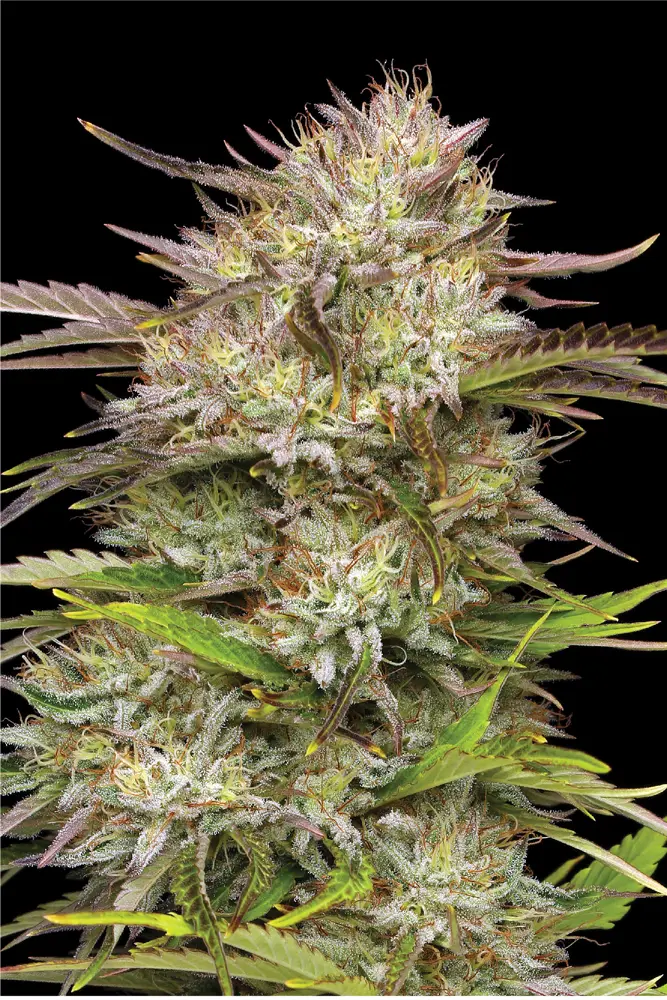
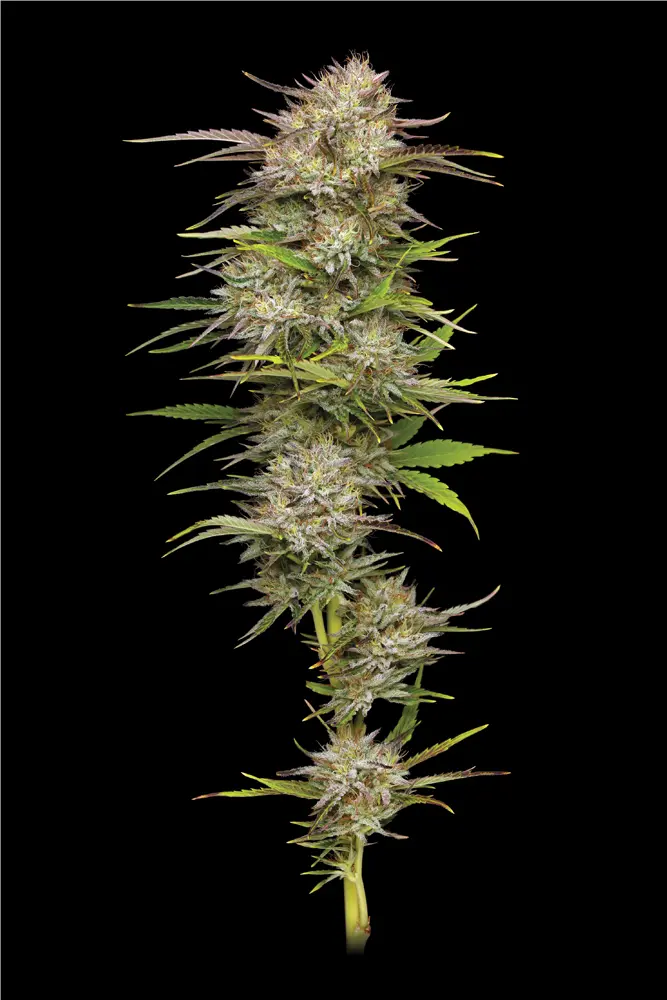
The genetics combine California Haze with Original Haze and Arcata Trainwreck, and the line has been worked to F7 for stability. Plants grow into tall, spear-shaped towers that reach for the sky and fill out with huge, dense flowers.
The breeder describes the plants as extremely disease resistant, and the high as euphoric, energizing and creative, which is why artists and musicians have taken a shine to it. A cultural classic, rebuilt for today’s gardens.
Lineage and Breeding: Haze Meets Arcata Trainwreck
Original Haze carries the soaring Sativa character and the long, lanky frame that defined a generation of cannabis. Arcata Trainwreck, a Humboldt clone classic that Humboldt Seed Company has preserved in seed form, brings local Emerald Triangle heritage. Folding both back into the breeder’s own California Haze line and carrying it to F7 produced a Haze that finishes faster and grows tighter buds without losing its bright personality.
For growers who love Haze but not its marathon bloom, that combination is the whole point.
Aroma, Flavor and Effect
The aroma is earthy at the base with bright citrus, fresh pine and a sweet top note. Break a bud and the citrus jumps forward, like peeling a tangerine on a trail through the pines. The smoke is clean and lively, with sweetness lingering after the exhale.
The effect is uplifting and energizing from the first hit. A euphoric wave lifts the mood, thoughts start connecting in new ways and creative energy flows. It suits daytime sessions, studio time, writing or long walks. With THC around 27%, it is strong enough that experienced consumers will appreciate it most.
Growing California Haze Indoors and Outdoors
Indoors, plan for vertical growth. Top the plants early, then train the branches horizontally with LST or a SCROG net so the spear-like colas grow up through an even canopy instead of racing toward the lights. Flowering takes about 67 days, around nine and a half weeks, short for a Haze. Strong airflow helps the huge, dense flowers finish clean.
Outdoors, California Haze is in its element. Full sun and room to climb let it build towering plants, and its strong disease resistance is a real asset late in the season. Harvest falls between October 1 and 10. Install sturdy stakes or a trellis before the stretch, because those tall spears get heavy as the flowers fill out.
California Haze Characteristics
| Strain type | Feminized photoperiod |
| Genetics | California Haze x Original Haze x Arcata Trainwreck (F7) |
| Indica/Sativa | Sativa-dominant hybrid |
| THC | 25-27% (may vary) |
| Effect | Uplifting, energizing, euphoric, creative |
| Flavor/Aroma | Citrus, pine, sweet, with an earthy base |
| Flowering time | 67 days (about 9.5 weeks) |
| Outdoor harvest | October 1 – 10 |
| Yield | High (huge, dense flowers) |
| Characteristics | Tall, spear-like plants; extremely disease resistant; faster and denser than old-world Haze |
| Best cultivation technique | Early topping with LST or SCROG; staking outdoors |
FAQ
Is California Haze Indica or Sativa?
California Haze is a Sativa-dominant hybrid with an uplifting, energizing and creative effect.
How much THC does California Haze have?
Humboldt Seed Company lists an average of 25-27% THC, noting that potency may vary.
How long does California Haze take to flower?
Flowering takes about 67 days, much faster than traditional Haze varieties. Outdoors, harvest falls between October 1 and 10.
What does California Haze taste like?
Expect citrus, pine and sweet notes over an earthy base, with a clean, lively smoke.
How tall does California Haze grow?
It grows tall, spear-like plants. Indoors, top early and train with LST or a SCROG net to manage height.
Is California Haze disease resistant?
Yes. The breeder describes the plants as extremely disease resistant, which helps outdoors late in the season.