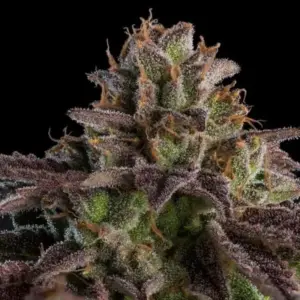
Brain Damage Auto is the heavyweight of the Growers Choice autoflower range, and the name is a fair warning. Bred from White Siberian x Ice, it combines two hardy, resin-heavy lines into a balanced 50% Indica / 50% Sativa hybrid with 24–26% THC and a medium CBD rating.
White Siberian brings toughness and frost, while Ice adds dense, crystal-coated buds and a potent stone. Together they create an autoflower that seasoned smokers routinely describe as one of the strongest in the catalog.
It also performs in the grow room. Growers Choice lists indoor yields of 650–750 g/m² (2.13–2.46 oz/ft²), high mold resistance and the ability to handle both warm and cold climates, all in about 10 weeks from seed.
Plants grow 90–130 cm (35–51 in) indoors and 80–120 cm (31–47 in) outdoors, so the potency comes in a size that fits most tents.
Flavor and Effects: Smooth Smoke, Two-Stage Hit
Brain Damage Auto is not a candy strain. The breeder describes it as a nice smooth smoke with a prickle in your throat. The draw is soft and earthy with a faint icy, hashy sweetness, then a peppery tickle grabs the back of the throat on the exhale. It is like a velvet glove with a pin hidden in the fingertip.
The aroma in the jar is earthy and hash-like with a clean, cool edge that hints at its Ice parent.
The effect comes in two acts. First an uplifting, euphoric wave lifts the mood and wakes up the senses. A few minutes later the real weight arrives: a deep, long-lasting body stone that spreads from the shoulders down and settles in for the rest of the session.
Growers Choice is clear that this is a commitment. It is ideal when your schedule is empty and you can let it run its course. Experienced consumers will appreciate the depth, but newcomers should start with a very small amount.
Growing Brain Damage Auto
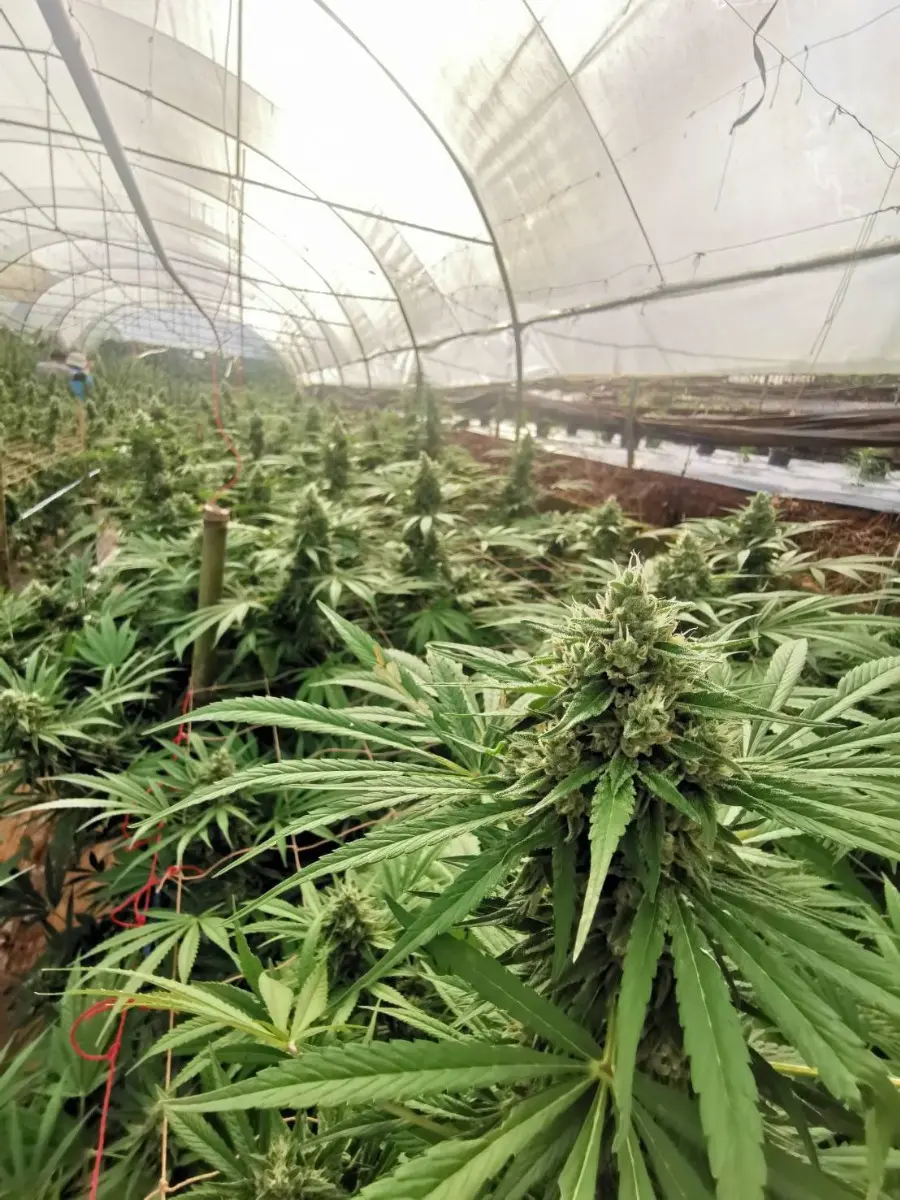
This is a forgiving plant. White Siberian and Ice are both known for vigor, and the result tolerates swings in temperature and minor feeding mistakes. Plant directly into an 11–15 liter final container and keep 18/6 or 20/4 light from day one through harvest; there is no flip to 12/12.
Expect a stocky, branchy frame. Gentle LST between weeks two and four spreads the canopy and helps the side colas fill out, which is key to reaching the 650–750 g/m² (2.13–2.46 oz/ft²) indoor figure. Feed moderately in veg and increase bloom nutrients once the first pistils appear.
Outdoors, its tolerance of warm and cold climates and its high mold resistance make it a dependable choice for shorter or cooler seasons. Multiple runs are possible between spring and early fall, each finishing in roughly 10 weeks.
Brain Damage Auto Characteristics
| Strain type | Autoflowering (feminized) |
| Genetics | White Siberian x Ice |
| Indica/Sativa | 50% Indica / 50% Sativa |
| THC | 24–26% |
| CBD | Medium |
| Effect | Uplifting euphoria followed by a heavy, long-lasting body stone |
| Flavor | Smooth, earthy smoke with a prickle in the throat |
| Indoor yield | 650–750 g/m² (2.13–2.46 oz/ft²) |
| Seed to harvest | About 10 weeks |
| Height | Indoor 90–130 cm (35–51 in); outdoor 80–120 cm (31–47 in) |
| Climate | Warm and cold climates |
| Mold resistance | High |
| Best cultivation technique | Early LST in a single final pot |
FAQ
How strong is Brain Damage Auto?
Very strong. THC is 24–26%, and the effect builds from an uplifting start into a heavy, long-lasting body stone. Clear your schedule before trying it.
Is Brain Damage Auto Indica or Sativa?
It is a balanced 50% Indica / 50% Sativa hybrid from White Siberian and Ice.
What does Brain Damage Auto taste like?
A smooth, earthy smoke with a slight icy sweetness and a noticeable prickle in the throat on the exhale.
How long does Brain Damage Auto take from seed to harvest?
About 10 weeks. Keep 18/6 or 20/4 light from germination to harvest; it flowers automatically.
Can Brain Damage Auto grow in cold climates?
Yes. Growers Choice rates it for both warm and cold climates and gives it high mold resistance, which makes it reliable outdoors.
How much does Brain Damage Auto yield?
Indoors it is listed at 650–750 g/m² (2.13–2.46 oz/ft²), with plants reaching 90–130 cm (35–51 in).